
POSTED BY ANAGHA SAKPAL ON DATED 03/02/2026
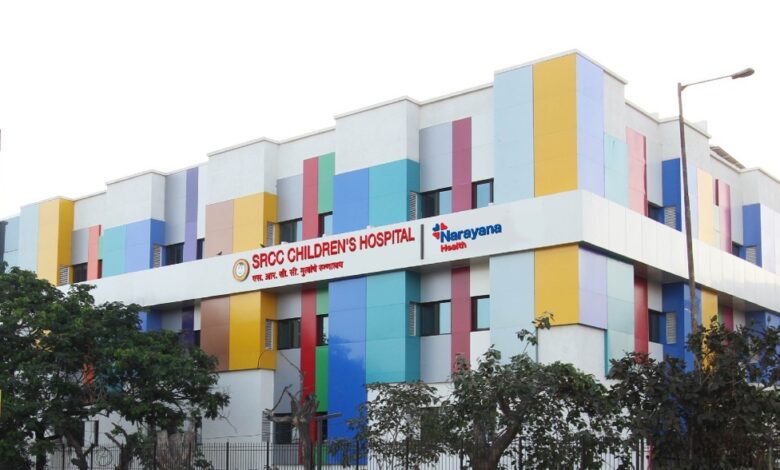
Mumbai, (RMN.IN): Narayana Health SRCC Children’s Hospital, Mumbai, has successfully treated 12-year-old Pradeep Kumar (name changed), who was battling a rare and aggressive progressive leukemia. The treatment was an advanced and rarely performed T-depleted haploidentical stem cell transplant for malignancies, with the boy’s mother stepping forward as a half-matched donor, eventually giving her child a renewed chance at life.
The boy was initially diagnosed with CML (Chronic Myeloid Leukemia) around three years ago and was receiving targeted therapy. However, the 12-year-old’s condition worsened, progressing into a blast crisis of AML (Acute Myeloid Leukemia). This form of leukemia is a life threatening condition that requires immediate intervention and treatment. Post chemotherapy and achieving minimal residual disease negativity, the boy was referred to Narayana Health SRCC Children’s Hospital, Mumbai, for a bone marrow transplant (BMT).
Due to the absence of a matched sibling donor, the medical team evaluated his mother as a potential donor. Following detailed compatibility testing, including the specialised KIR mismatch analysis, the team decided to go ahead with a haploidentical (half-matched) transplant, utilising his mother as the donor.
The child underwent a T-depleted haploidentical haematopoietic stem cell transplant (HSCT) – a technically complex and resource-intensive procedure that requires high levels of expertise and infrastructure. The boy received the transplant well, and remained in the BMT unit for 42 days. Remarkably, he did not experience any major complications, achieved a successful engraftment and also showed a 100 per cent donor chimerism.
Today, 18 months post-transplant, Pradeep remains in complete remission, with no graft-versus-host-disease (GVHD), no viral reactivation (of any dormant viruses), and is leading a healthy and active life still on tyrosine kinase inhibitor which he needs to take for another 6 months and then will be off all medications.
Speaking about the case, Dr. Priti Mehta, Senior Consultant–Paediatric Oncology, Haematology & BMT, Narayana Health SRCC Children’s Hospital, stated, “This was a very high-risk case due to the blast crisis phase of leukemia. Performing a T-depleted haploidentical transplant requires careful selection and significant expertise. The child’s excellent recovery and sustained remission highlight how advanced transplant strategies can change outcomes for children who otherwise have limited options.”